12 Lawn Life Hacks for Spring – Tricks That Really Improve Your Lawn
When spring arrives, many garden owners want to get started right away: mowing, fertilizing, aerating. However, those who truly want a dense, green lawn should know a few lesser-known tricks. Many of these tips come from practice – from experienced gardeners, landscapers, or even from community discussions among lawn enthusiasts.
Here are 12 practical life hacks for your lawn that often make a bigger difference than expensive products or complicated devices.
1. The “Squelch Test” Before You Mow
A simple trick from gardening practice: Before the first mow, perform the so-called squelch test. If the soil feels spongy or mud sticks to your shoes, the lawn is still too wet. Mowing on overly moist ground can damage the lawn in the long run.
2. Mow More Often – But Less
A common mistake: mowing radically once a week. It’s much better to mow the lawn more frequently and only slightly. Regular small cuts lead to a denser lawn and prevent bald spots.
3. Mow Higher Than You Think
Many people cut their grass too short. A slightly higher cut (about 6–8 cm) promotes stronger roots and helps the lawn retain water better. Additionally, weeds have less chance to thrive.
4. The “Morning Dew Rule”
Try not to mow when there is still morning dew on the lawn. Wet grass is harder to cut and can create an uneven cut appearance. :contentReference
5. The Fork Trick Against Compacted Soil
If your lawn feels hard in spring or water pools, simply poke small holes in the ground regularly with a garden fork. This simple form of aeration improves oxygen supply to the roots.
6. The “Weed Water” Experiment
A life hack from the gardening community: Don’t throw away young weeds. Instead, the leaves can be soaked in water. After a few weeks, a natural liquid fertilizer for plants is created.
7. Easily Fill Small Holes in the Lawn
Many robotic mowers get stuck on small bumps. A simple trick: fill small holes or depressions with a bit of soil. Over time, grass will grow over it, making the lawn more even.
8. Never Mow More Than One Third of the Height
A classic lawn trick: Never cut more than one third of the grass height at once. This avoids stress for the plants and keeps the lawn denser.
9. The “Blade Rule” for Robotic Mowers
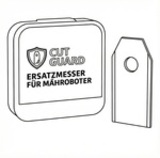
Many users underestimate how important sharp blades are. A Reddit user describes it this way: new blades cost little but immediately improve the cut quality and even the efficiency of the robot.
10. Leave Grass Clippings on the Lawn
An underrated trick: fine grass clippings can serve as a natural fertilizer. In the so-called mulching, the small cuttings remain on the lawn and provide nutrients for the soil.
11. The “Edge Effect”
Many gardens appear unkempt, even though the lawn is healthy – simply because the edges are not clean. A quick edge trim along paths or beds often makes the biggest visual difference.
12. Less is Sometimes More
A surprising trend from the gardening world is “No Mow May.” During this time, mowing is intentionally reduced in May to give insects and plants more living space.
Conclusion
A perfect lawn rarely comes from a single product or method. Much more important are small habits: mowing correctly, aerating the soil, paying attention to moisture, and regularly performing small maintenance tasks.
With these simple life hacks, your lawn will not only be healthier – it will also look significantly better.







12 Lawn Life Hacks for Spring – Tricks That Really Improve Your Lawn
12 Lawn Life Hacks for Spring – Tricks That Really Improve Your Lawn
When spring arrives, many garden owners want to get started right away: mowing, fertilizing, aerating. However, those who truly want a dense, green lawn should know a few lesser-known tricks. Many of these tips come from practice – from experienced gardeners, landscapers, or even from community discussions among lawn enthusiasts.
Here are 12 practical life hacks for your lawn that often make a bigger difference than expensive products or complicated devices.
1. The “Squelch Test” Before You Mow
A simple trick from gardening practice: Before the first mow, perform the so-called squelch test. If the soil feels spongy or mud sticks to your shoes, the lawn is still too wet. Mowing on overly moist ground can damage the lawn in the long run.
2. Mow More Often – But Less
A common mistake: mowing radically once a week. It’s much better to mow the lawn more frequently and only slightly. Regular small cuts lead to a denser lawn and prevent bald spots.
3. Mow Higher Than You Think
Many people cut their grass too short. A slightly higher cut (about 6–8 cm) promotes stronger roots and helps the lawn retain water better. Additionally, weeds have less chance to thrive.
4. The “Morning Dew Rule”
Try not to mow when there is still morning dew on the lawn. Wet grass is harder to cut and can create an uneven cut appearance. :contentReference
5. The Fork Trick Against Compacted Soil
If your lawn feels hard in spring or water pools, simply poke small holes in the ground regularly with a garden fork. This simple form of aeration improves oxygen supply to the roots.
6. The “Weed Water” Experiment
A life hack from the gardening community: Don’t throw away young weeds. Instead, the leaves can be soaked in water. After a few weeks, a natural liquid fertilizer for plants is created.
7. Easily Fill Small Holes in the Lawn
Many robotic mowers get stuck on small bumps. A simple trick: fill small holes or depressions with a bit of soil. Over time, grass will grow over it, making the lawn more even.
8. Never Mow More Than One Third of the Height
A classic lawn trick: Never cut more than one third of the grass height at once. This avoids stress for the plants and keeps the lawn denser.
9. The “Blade Rule” for Robotic Mowers
Many users underestimate how important sharp blades are. A Reddit user describes it this way: new blades cost little but immediately improve the cut quality and even the efficiency of the robot.
10. Leave Grass Clippings on the Lawn
An underrated trick: fine grass clippings can serve as a natural fertilizer. In the so-called mulching, the small cuttings remain on the lawn and provide nutrients for the soil.
11. The “Edge Effect”
Many gardens appear unkempt, even though the lawn is healthy – simply because the edges are not clean. A quick edge trim along paths or beds often makes the biggest visual difference.
12. Less is Sometimes More
A surprising trend from the gardening world is “No Mow May.” During this time, mowing is intentionally reduced in May to give insects and plants more living space.
Conclusion
A perfect lawn rarely comes from a single product or method. Much more important are small habits: mowing correctly, aerating the soil, paying attention to moisture, and regularly performing small maintenance tasks.
With these simple life hacks, your lawn will not only be healthier – it will also look significantly better.