Mammotion YUKA Mini 2 Test – Experiences, Comparison and Differences (500 vs 1000)
The Mammotion YUKA Mini 2 series is among the most exciting new robotic mowers for small and medium-sized gardens. While many traditional devices still work with boundary wires, Mammotion relies on modern navigation with cameras, artificial intelligence, and optional LiDAR technology.
The models YUKA Mini 2 500 and YUKA Mini 2 1000 are particularly interesting. Both robots are designed for compact properties but differ in navigation and maximum lawn area.
In this test, we take a closer look at the key features, technical specifications, and user experiences.
Technical Specifications Comparison
Feature
YUKA Mini 2 500
YUKA Mini 2 1000
Recommended Lawn Area
up to approx. 500 m²
up to approx. 1000 m²
Navigation
AI Vision Camera System
360° LiDAR + AI Vision
Cutting Width
approx. 19 cm
approx. 19 cm
Cutting Height
20 – 60 mm
20 – 60 mm
Maximum Slope
up to approx. 45%
up to approx. 45%
Mowing System
rotating blade disc
rotating blade disc
App Control
WiFi / Bluetooth
WiFi / Bluetooth / optional 4G
Mowing Zones
multiple zones possible
multiple zones possible
Design and Build Quality
The YUKA Mini series is significantly more compact than many other robotic mowers. The design appears modern and minimalist. Due to its relatively small size, the robot can easily navigate through narrow passages or smaller gardens.
The housing is made of robust plastic, designed for long-term use in the garden. At the same time, the weight remains relatively low, allowing the robot to move more easily over uneven terrain.
Installation and Setup
One of the biggest advantages of the YUKA Mini series is the installation without boundary wires. While traditional robotic mowers often require several hours of installation time, the setup here is done directly via the smartphone app.
The robot maps the garden and creates a digital map of the area. Users can then define virtual boundaries and set up different mowing zones.
This process is particularly quick for smaller gardens. Many users report that the mapping is completed within a few minutes.
Navigation and Obstacle Detection
Navigation is one of the most important features of a modern robotic mower. The YUKA Mini series uses a camera system with artificial intelligence for this purpose.
The robot detects obstacles such as trees, flower beds, or garden furniture and can adjust its route accordingly. This prevents the robot from bumping into objects or getting stuck.
The YUKA Mini 2 1000 model also uses a LiDAR system. This creates a particularly precise map of the garden and improves navigation, especially for more complex properties.
Mowing Performance in Everyday Use
The cutting width is about 19 centimeters. This places the robot in the class of compact robotic mowers, developed primarily for smaller properties.
The cutting height can be adjusted between 20 and 60 millimeters. This allows the robot to be used for ornamental lawns as well as slightly longer grass areas.
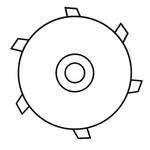
Like most robotic mowers, the YUKA Mini series works with a rotating blade disc and several small blades. These ensure a clean cut, as long as they are regularly checked or replaced.
The robot is controlled via a smartphone app. Users can set mowing times, manage zones, or check the current status of the robot.
Additionally, virtual boundaries can be set so that certain areas of the garden are not mowed.
User Experiences
In online communities and tech forums, many users report positively about the easy installation and navigation without boundary wires.
It is frequently mentioned that the automatic mapping of the garden is very practical and saves a lot of installation time.
However, some users also report that complex gardens with many trees or narrow passages occasionally require manual adjustments of the mowing zones.
Advantages of the YUKA Mini Series
Navigation without boundary wires
automatic mapping of the garden
compact design
App control
modern obstacle detection
Possible Disadvantages
less suitable for very large properties
navigation may need to be adjusted in very complex gardens
regular blade replacement necessary
Which Model is Suitable for Which Gardens?
The YUKA Mini 2 500 is ideal for smaller properties or simple garden layouts up to about 500 m².
The YUKA Mini 2 1000 is better suited for larger properties or complex gardens with multiple mowing zones.
Conclusion
The Mammotion YUKA Mini 2 series is among the most modern robotic mowers for smaller and medium-sized gardens. The navigation without boundary wires makes the devices particularly attractive for many garden owners.
The YUKA Mini 2 500 is especially suitable for smaller properties, while the YUKA Mini 2 1000 offers additional precision for larger gardens thanks to LiDAR technology.







Mammotion YUKA Mini 2 Test – Experiences from Reddit and Comparison (500 vs 1000)
Mammotion YUKA Mini 2 Test – Experiences, Comparison and Differences (500 vs 1000)
The Mammotion YUKA Mini 2 series is among the most exciting new robotic mowers for small and medium-sized gardens. While many traditional devices still work with boundary wires, Mammotion relies on modern navigation with cameras, artificial intelligence, and optional LiDAR technology.
The models YUKA Mini 2 500 and YUKA Mini 2 1000 are particularly interesting. Both robots are designed for compact properties but differ in navigation and maximum lawn area.
In this test, we take a closer look at the key features, technical specifications, and user experiences.
Technical Specifications Comparison
Design and Build Quality
The YUKA Mini series is significantly more compact than many other robotic mowers. The design appears modern and minimalist. Due to its relatively small size, the robot can easily navigate through narrow passages or smaller gardens.
The housing is made of robust plastic, designed for long-term use in the garden. At the same time, the weight remains relatively low, allowing the robot to move more easily over uneven terrain.
Installation and Setup
One of the biggest advantages of the YUKA Mini series is the installation without boundary wires. While traditional robotic mowers often require several hours of installation time, the setup here is done directly via the smartphone app.
The robot maps the garden and creates a digital map of the area. Users can then define virtual boundaries and set up different mowing zones.
This process is particularly quick for smaller gardens. Many users report that the mapping is completed within a few minutes.
Navigation and Obstacle Detection
Navigation is one of the most important features of a modern robotic mower. The YUKA Mini series uses a camera system with artificial intelligence for this purpose.
The robot detects obstacles such as trees, flower beds, or garden furniture and can adjust its route accordingly. This prevents the robot from bumping into objects or getting stuck.
The YUKA Mini 2 1000 model also uses a LiDAR system. This creates a particularly precise map of the garden and improves navigation, especially for more complex properties.
Mowing Performance in Everyday Use
The cutting width is about 19 centimeters. This places the robot in the class of compact robotic mowers, developed primarily for smaller properties.
The cutting height can be adjusted between 20 and 60 millimeters. This allows the robot to be used for ornamental lawns as well as slightly longer grass areas.
Like most robotic mowers, the YUKA Mini series works with a rotating blade disc and several small blades. These ensure a clean cut, as long as they are regularly checked or replaced.
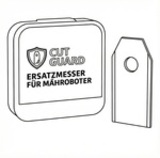
You can find suitable spare parts here:
Blade disc compatible with Mammotion YUKA Mini
App and Features
The robot is controlled via a smartphone app. Users can set mowing times, manage zones, or check the current status of the robot.
Additionally, virtual boundaries can be set so that certain areas of the garden are not mowed.
User Experiences
In online communities and tech forums, many users report positively about the easy installation and navigation without boundary wires.
It is frequently mentioned that the automatic mapping of the garden is very practical and saves a lot of installation time.
However, some users also report that complex gardens with many trees or narrow passages occasionally require manual adjustments of the mowing zones.
Advantages of the YUKA Mini Series
Possible Disadvantages
Which Model is Suitable for Which Gardens?
The YUKA Mini 2 500 is ideal for smaller properties or simple garden layouts up to about 500 m².
The YUKA Mini 2 1000 is better suited for larger properties or complex gardens with multiple mowing zones.
Conclusion
The Mammotion YUKA Mini 2 series is among the most modern robotic mowers for smaller and medium-sized gardens. The navigation without boundary wires makes the devices particularly attractive for many garden owners.
The YUKA Mini 2 500 is especially suitable for smaller properties, while the YUKA Mini 2 1000 offers additional precision for larger gardens thanks to LiDAR technology.