How often should you change robot mower blades? User experiences, real intervals, and clear warning signs
Many robot mower owners eventually ask themselves the same question: How often should you change the blades? The answer in practice is not as straightforward as some manufacturer specifications might suggest. The actual wear and tear greatly depends on how often the robot operates, the size of the lawn area, whether the garden is clean or full of small branches, sand, and stones, and how important a really clean cut is to you.
This is precisely why user experiences can vary significantly. Some change their robot mower blades very regularly, others much less frequently. The crucial point is: It’s not just the calendar that counts, but above all the combination of usage, lawn conditions, and visible warning signs.
In this article, we look at how often robot mower blades are really changed in practice, what experiences users typically have, and how to recognize when a replacement is advisable.
Why dull blades are a problem
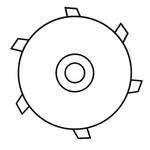
A robot mower doesn’t cut the grass like a traditional sickle mower with a large blade, but usually with several small blades on a rotating knife disc. These blades only work cleanly when they are sharp enough. Once they are dull, damaged, or bent, the grass is no longer cut properly but rather torn or frayed.
This not only looks unattractive but can also degrade the quality of the lawn. Typical consequences are brown tips, an uneven cut, and an overall less well-maintained appearance. This is particularly noticeable on ornamental lawns or very regularly maintained areas.
How often do users really change their blades?
In practice, there is no single perfect replacement interval. Many users follow an interval between 2 and 8 weeks, depending on how intensively the robot is used. Those with a large garden and who let the robot run almost daily will change more frequently than someone with a small area and less operating time.
From typical user experiences, the following pattern can be roughly derived:
with intensive use often every 2 to 4 weeks
with normal use frequently every 4 to 6 weeks
with a small area or very gentle conditions sometimes only after 6 to 8 weeks
These values are not a fixed rule but a realistic framework. Some change earlier because they want a perfect cut. Others wait longer as long as the lawn still looks clean.
What does the lifespan of the blades depend on?
The fact that the intervals vary so much has good reasons. Not every robot mower operates under the same conditions. The most important influencing factors are:
1. Size of the lawn area
The larger the area, the more operating time the robot accumulates, and the faster the blades wear out.
2. Frequency of mowing
A robot that runs almost daily stresses the blades more than a device that only runs a few times a week.
3. Condition of the garden
Sand, small stones, cones, branches, or hard ground spots can dull the blades much faster.
4. Wet or heavy grass
Wet, dense, or particularly strong grass often puts more strain on the mowing system than dry, light grass.
5. Demand for the cut
Some users replace blades immediately when the result no longer looks perfect. Others wait until the performance noticeably declines.
The most important warning signs for dull blades
Those who do not want to rely solely on fixed intervals should pay attention to the typical signs in everyday life. In many cases, the lawn itself quickly shows that the blades are no longer working optimally.
Frayed grass tips
This is often the clearest sign. If the blades look frayed or irregular at the tips, the blades usually no longer cut cleanly enough.
Brown tips after mowing
A freshly mowed lawn should look even and clean. If many brown tips become visible after a short time, this is often due to dull blades.
Uneven cut
If individual areas look worse or the lawn overall appears less cleanly mowed, it is worth checking the blades.
More grass residue under the robot
If the mowing deck is more soiled and more material accumulates under the underside, this can also indicate that the blades are no longer working efficiently.
Visible damage to the blades
Even small nicks, bends, or uneven wear can degrade performance. In such cases, you should not wait long.
Fixed replacement interval or visual inspection?
The best solution in practice is usually a combination of both. A rough rhythm helps not to forget the replacement completely. At the same time, you should regularly check the blades briefly instead of relying blindly on a fixed period.
Those who use their robot intensively should opt for shorter intervals. Those with smaller areas and mowing under good conditions can often run longer – as long as the cut remains clean.
Why many users prefer to change earlier
A common thought is: As long as the robot is still mowing, the blades can stay in. This is often technically true – but this is exactly where the difference lies between “still somehow works” and “really delivers a good result.”
Many experienced users therefore prefer to change a little earlier. The reason is simple: Blades are a classic wear part, relatively inexpensive, and quickly replaced. If the lawn visibly looks better as a result, the replacement is usually worthwhile immediately.
What happens if you wait too long?
Those who continue to use dull blades for too long risk several disadvantages at once. The lawn is cut uncleanly, the device works less efficiently, and the mowing deck can be unnecessarily stressed. Additionally, more grass often accumulates under the robot because the material is no longer processed as cleanly.
This does not mean that the robot is immediately damaged. But in the long term, the mowing quality deteriorates significantly – and this is often first noticed in the appearance of the lawn.
Check only the blades or also the knife disc?
Many focus only on the small blades and overlook the knife disc or the mowing plate. Yet this component is also important. If the disc is damaged, bent, or heavily soiled, it can also impair rotation and thus the cutting quality.
Therefore, it is worthwhile not only to look at the blades themselves when changing but also to check the condition of the entire cutting system.
A very sensible way is to get used to a fixed control rhythm. Many users check the blades briefly every two to three weeks instead of only reacting when the lawn already looks bad. This takes only a few minutes and prevents completely missing a replacement.
Especially in the peak season, this small routine is worthwhile. Because then the robot runs most frequently and dull blades also show up the fastest.
When should you change immediately?
Regardless of the normal interval, there are situations where an immediate replacement is advisable:
when a blade is visibly damaged or bent
when the robot has run over stones, branches, or hard objects
when the cut suddenly becomes significantly worse
when heavy grass accumulations occur under the mowing deck
In such cases, you should not wait for the next planned replacement.
Conclusion
How often you should change robot mower blades depends greatly on usage and garden conditions. In practice, realistic intervals are often between 2 and 8 weeks. Those who mow a lot, have a demanding garden, or want particularly clean results will change more frequently.
The most important point, however, is not just the calendar, but the look at the lawn and the blades themselves. As soon as the cut becomes worse, brown tips appear, or the blades are visibly worn, a replacement is advisable.
Those who take these warning signs seriously and regularly check the cutting system will achieve better mowing results in the long term – and a lawn that looks truly well-maintained.










How often should you change robotic lawnmower blades? User experiences, real intervals, and clear warning signs
How often should you change robot mower blades? User experiences, real intervals, and clear warning signs
Many robot mower owners eventually ask themselves the same question: How often should you change the blades? The answer in practice is not as straightforward as some manufacturer specifications might suggest. The actual wear and tear greatly depends on how often the robot operates, the size of the lawn area, whether the garden is clean or full of small branches, sand, and stones, and how important a really clean cut is to you.
This is precisely why user experiences can vary significantly. Some change their robot mower blades very regularly, others much less frequently. The crucial point is: It’s not just the calendar that counts, but above all the combination of usage, lawn conditions, and visible warning signs.
In this article, we look at how often robot mower blades are really changed in practice, what experiences users typically have, and how to recognize when a replacement is advisable.
Why dull blades are a problem
A robot mower doesn’t cut the grass like a traditional sickle mower with a large blade, but usually with several small blades on a rotating knife disc. These blades only work cleanly when they are sharp enough. Once they are dull, damaged, or bent, the grass is no longer cut properly but rather torn or frayed.
This not only looks unattractive but can also degrade the quality of the lawn. Typical consequences are brown tips, an uneven cut, and an overall less well-maintained appearance. This is particularly noticeable on ornamental lawns or very regularly maintained areas.
How often do users really change their blades?
In practice, there is no single perfect replacement interval. Many users follow an interval between 2 and 8 weeks, depending on how intensively the robot is used. Those with a large garden and who let the robot run almost daily will change more frequently than someone with a small area and less operating time.
From typical user experiences, the following pattern can be roughly derived:
These values are not a fixed rule but a realistic framework. Some change earlier because they want a perfect cut. Others wait longer as long as the lawn still looks clean.
What does the lifespan of the blades depend on?
The fact that the intervals vary so much has good reasons. Not every robot mower operates under the same conditions. The most important influencing factors are:
1. Size of the lawn area
The larger the area, the more operating time the robot accumulates, and the faster the blades wear out.
2. Frequency of mowing
A robot that runs almost daily stresses the blades more than a device that only runs a few times a week.
3. Condition of the garden
Sand, small stones, cones, branches, or hard ground spots can dull the blades much faster.
4. Wet or heavy grass
Wet, dense, or particularly strong grass often puts more strain on the mowing system than dry, light grass.
5. Demand for the cut
Some users replace blades immediately when the result no longer looks perfect. Others wait until the performance noticeably declines.
The most important warning signs for dull blades
Those who do not want to rely solely on fixed intervals should pay attention to the typical signs in everyday life. In many cases, the lawn itself quickly shows that the blades are no longer working optimally.
Frayed grass tips
This is often the clearest sign. If the blades look frayed or irregular at the tips, the blades usually no longer cut cleanly enough.
Brown tips after mowing
A freshly mowed lawn should look even and clean. If many brown tips become visible after a short time, this is often due to dull blades.
Uneven cut
If individual areas look worse or the lawn overall appears less cleanly mowed, it is worth checking the blades.
More grass residue under the robot
If the mowing deck is more soiled and more material accumulates under the underside, this can also indicate that the blades are no longer working efficiently.
Visible damage to the blades
Even small nicks, bends, or uneven wear can degrade performance. In such cases, you should not wait long.
Fixed replacement interval or visual inspection?
The best solution in practice is usually a combination of both. A rough rhythm helps not to forget the replacement completely. At the same time, you should regularly check the blades briefly instead of relying blindly on a fixed period.
Those who use their robot intensively should opt for shorter intervals. Those with smaller areas and mowing under good conditions can often run longer – as long as the cut remains clean.
Why many users prefer to change earlier
A common thought is: As long as the robot is still mowing, the blades can stay in. This is often technically true – but this is exactly where the difference lies between “still somehow works” and “really delivers a good result.”
Many experienced users therefore prefer to change a little earlier. The reason is simple: Blades are a classic wear part, relatively inexpensive, and quickly replaced. If the lawn visibly looks better as a result, the replacement is usually worthwhile immediately.
What happens if you wait too long?
Those who continue to use dull blades for too long risk several disadvantages at once. The lawn is cut uncleanly, the device works less efficiently, and the mowing deck can be unnecessarily stressed. Additionally, more grass often accumulates under the robot because the material is no longer processed as cleanly.
This does not mean that the robot is immediately damaged. But in the long term, the mowing quality deteriorates significantly – and this is often first noticed in the appearance of the lawn.
Check only the blades or also the knife disc?
Many focus only on the small blades and overlook the knife disc or the mowing plate. Yet this component is also important. If the disc is damaged, bent, or heavily soiled, it can also impair rotation and thus the cutting quality.
Therefore, it is worthwhile not only to look at the blades themselves when changing but also to check the condition of the entire cutting system.
Find suitable parts here:
Replacement blades for robot mowers
Knife discs for robot mowers
A simple practical tip for everyday life
A very sensible way is to get used to a fixed control rhythm. Many users check the blades briefly every two to three weeks instead of only reacting when the lawn already looks bad. This takes only a few minutes and prevents completely missing a replacement.
Especially in the peak season, this small routine is worthwhile. Because then the robot runs most frequently and dull blades also show up the fastest.
When should you change immediately?
Regardless of the normal interval, there are situations where an immediate replacement is advisable:
In such cases, you should not wait for the next planned replacement.
Conclusion
How often you should change robot mower blades depends greatly on usage and garden conditions. In practice, realistic intervals are often between 2 and 8 weeks. Those who mow a lot, have a demanding garden, or want particularly clean results will change more frequently.
The most important point, however, is not just the calendar, but the look at the lawn and the blades themselves. As soon as the cut becomes worse, brown tips appear, or the blades are visibly worn, a replacement is advisable.
Those who take these warning signs seriously and regularly check the cutting system will achieve better mowing results in the long term – and a lawn that looks truly well-maintained.